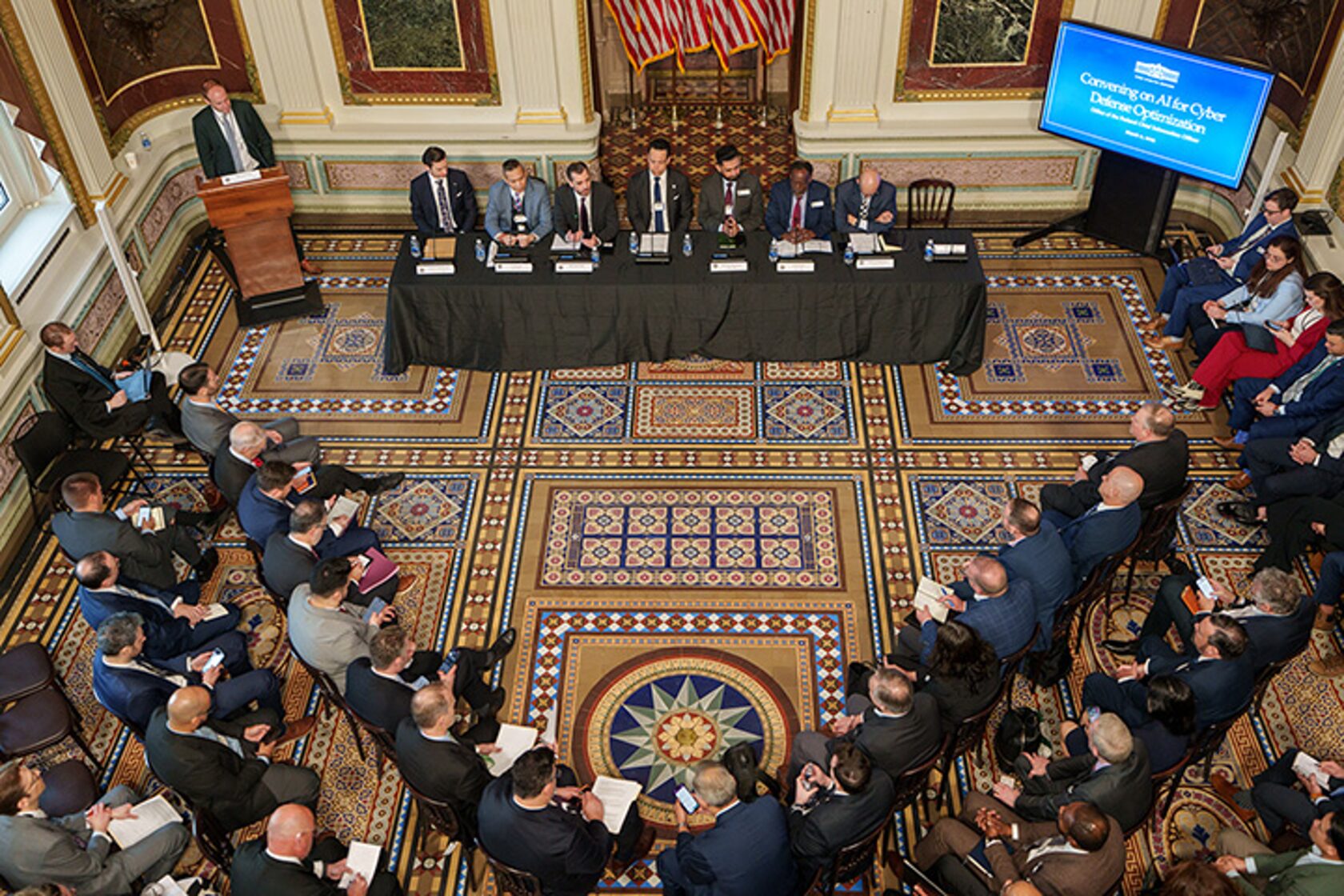
Readout of the White House Convening on Artificial Intelligence for Cyber Defense Optimization
March 11, 2026 | Eisenhower Executive Office Building
Artificial intelligence presents a critical opportunity for cybersecurity teams across the Federal Government to transform cyber defense by enabling faster detection, predictive insight, and targeted response at machine speed. As adversaries increasingly use automation and artificial intelligence (AI) to scale cyberattacks that outpace traditional defenses, agencies must accelerate readiness and enhance capabilities to shift the advantage back to cyber defense.
As directed by the President's Management Agenda, Federal agencies are accelerating the use of technology to deliver faster, more secure services to the American people. To advance President Trump’s Cyber Strategy for America, the White House Office of Management and Budget (OMB) is working with Federal agencies to adopt AI-powered cybersecurity solutions to defend Federal networks and deter intrusions at scale.
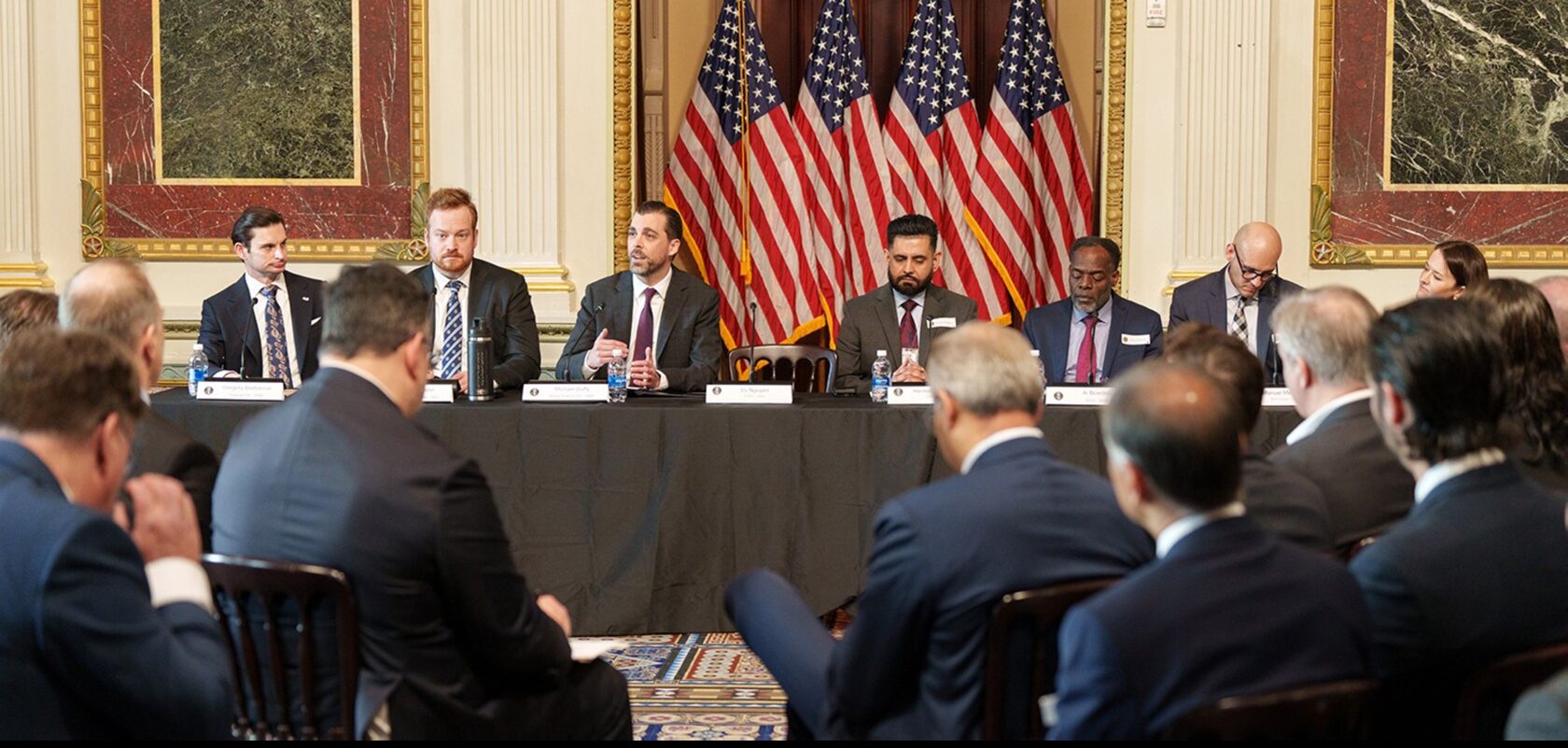
On March 11, 2026, OMB's Office of the Federal Chief Information Officer, in coordination with the Federal Chief Information Security Officers Council, convened Federal cybersecurity leaders and private-sector technology companies to discuss how agencies across the Federal Government can deploy advanced AI capabilities to strengthen cyber defense.
The event provided an opportunity to share how Federal agencies are approaching AI-powered cyber defense use cases, to learn how industry is deploying cutting-edge cyber-centric AI capabilities, and to share insights on operationalizing and scaling leading practices designed to improve event monitoring, detection and response, threat hunting, and cyber forensics. A better understanding of the current state of the art for cyber defense capabilities will help agencies make significant near-term progress in protecting their systems and data.
Personnel from a handful of agencies gave examples of cybersecurity-focused AI use cases in their organizations. While many agencies rely on commercial capabilities that natively integrate AI technologies, some are using AI to optimize custom-built capabilities developed over the long term to address unique mission needs.
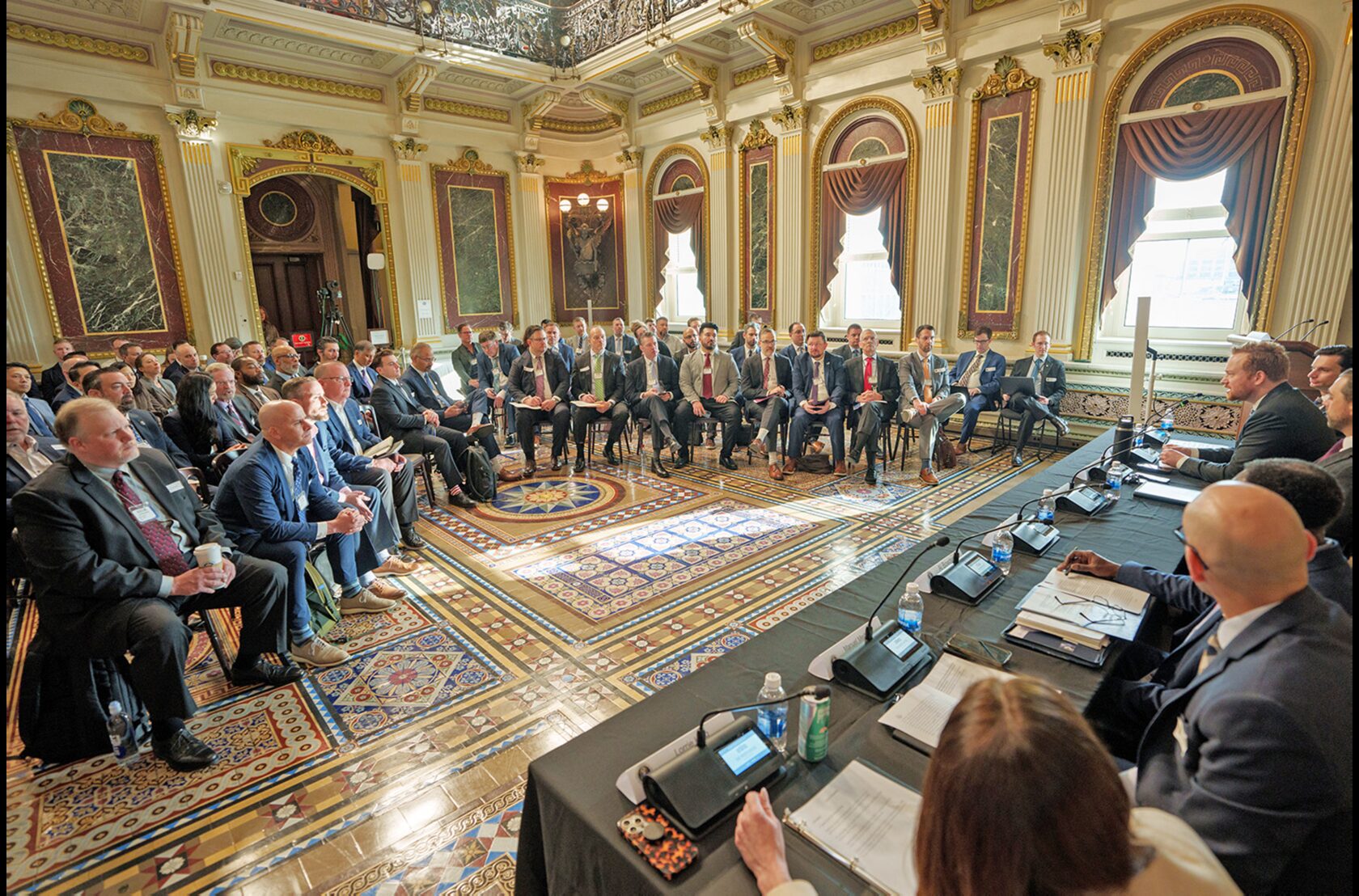
Throughout the group discussion, both Government and industry participants underscored the importance of public-private collaboration in advancing effective cyber defense. Participants discussed the importance of improving enterprise visibility across federated networks, breaking down data silos, prioritizing alerts, and enabling more proactive cyber defense strategies that identify risks earlier in the attack lifecycle.
Key takeaways from the discussion include:
- Foundational Gaps Limit AI Impact. As the scale of AI-enabled threats increases rapidly, agencies must continue to strengthen core cyber fundamentals, asset visibility, identity management, zero trust, and configuration management, which remain uneven and constrain the effectiveness of AI tools. Commercial offerings in these core areas of cyber defense are maturing.
- Federated Data Access Is Essential. AI will not scale in Government through centralized data models alone; it must operate across distributed, agency-owned environments. Data management, access, and governance remain critical, recurring themes.
- Integration and Interoperability. Agencies are applying AI across legacy and hybrid environments, relying on both embedded capabilities and new tools, requiring solutions that integrate seamlessly and enhance existing cyber defense architectures. At this stage of modernization, it is important for leading edge capabilities to meet agencies where they are and demonstrate how advanced capabilities optimize current approaches.
- Human Oversight Remains Critical to Cyber Operations. With the rapid improvement of AI-powered cyber defense capabilities, there is an opportunity to rethink and reconfigure detection, monitoring, and cyber-defense operations. AI-accelerated analysis and efficiency are often most effective when used to bolster and amplify the skills of human operators, who provide critical oversight and direction.
- Reframing Procurement and ATO Processes is Key to Scaling. Using faster pathways, such as continuous ATO and accelerated procurement methodologies, will help agencies access the latest cutting edge commercial capabilities. Agencies are looking for ways to achieve multiple goals at once: faster procurement, but also appropriate oversight and risk management.
- AI Expands the Risk Surface. AI introduces new vulnerabilities, including model manipulation, model drift, and data integrity risks. Managing the associated risks requires strengthened assurance practices, such as testing, red teaming, and continuous monitoring.

Following these discussions, private-sector participants showcased leading edge cybersecurity capabilities related to continuous event monitoring, threat hunting and incident response, and digital forensics and investigations. They shared operational insights, identified practical use cases, and demonstrated emerging technologies, highlighting opportunities for accelerating the responsible adoption of AI-enabled cybersecurity capabilities.
The Convening on AI for Cyber Defense Optimization underscored that while AI holds significant promise for transforming cyber defense, its ultimate impact on Federal cybersecurity depends on agencies’ ability to address foundational gaps, modernize data access, and build procurement and governance frameworks compatible with emerging technologies. Agencies are already demonstrating meaningful progress, but scaling these efforts will require coordinated action across architecture, acquisition, and risk management.